Comparing cuffs and fenestrations
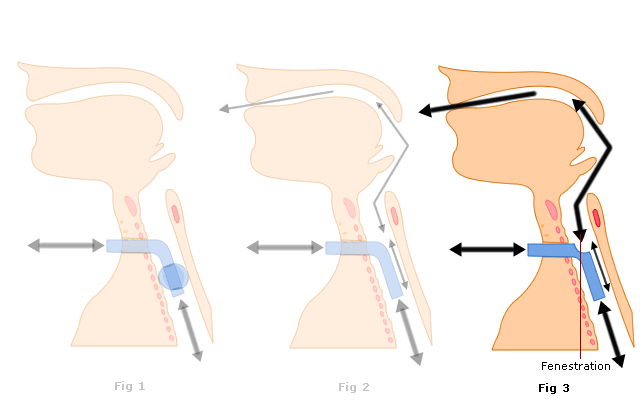
Fig 1 shows a cuffed tracheostomy tube in situ. Airflow should only be through the tube to the lungs, allowing positive pressure ventilation if the tube is correctly sited.
Deflating the cuff, or better still, using an un-cuffed tube will allow some airflow through the upper airway as in the centre figure (Fig 2).
Airflow can be increased by using a tube with a fenestration (hole), marked at the angle of the tube in the right-hand figure (Fig 3).
Some patients benefit from the extra airflow through the larynx, allowing speech.
This method can also be used to 'train', or rehabilitate, the larynx by allowing air to flow through it again following a prolonged period of ventilation.
However, there are a few things to check before deflating a cuff. Can you think what these are? The next few pages explain the key issues.